Musée de Cluny opens again after a major renovation with an exhibition on Magical Unicorns from the Middle Ages and later
Musée de Cluny is the only museum in Europe, solely dedicated to the Middle Ages. After major renovations, it opens this weekend with an exhibition on magical unicorns
One of the most famous objects preserved in the collections of the Musée de Cluny in Paris are the six Unicorn Tapestries. To celebrate this unique treasure, recently on loan to Sydney, as well as the reopening of the museum after a major renovation, we are treated to a fine exhibition on “Magical Unicorns”.
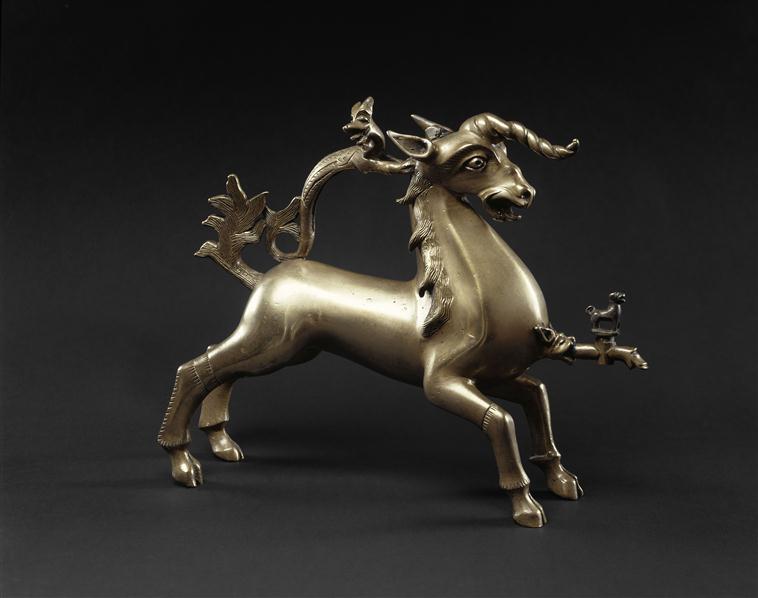
Throughout history, the mysterious, enigmatic and tantalising unicorns have ignited the fantasy of artists as well as common people. In antiquity, unicorns were considered fabled creatures living in India. It is likely, they were inspired by the rhinoceros. Later, in the Middle Ages, the creature turned into a mythical beast, which featured as the incarnation in an allegory where the animal sees the maiden alias the Virgin Mary and lays its head in her lap and falls asleep. Later, the allegory was extended by French troubadours such as Thibaut de Champagne and Richard de Fourneval, who reworked the myth as a love story, emblematic of chaste love and faithful marriages. One central motive was the entrapment of the unicorn by a virgin. As such, the unicorn entered the emblematic world of heraldry and coats of arms.
In the Middle Ages tusks of narwhals were peddled as horns from the Unicorns and were highly prized. Apart from pieces of art, they were used for cups, as the horns from unicorns were believed to neutralize poison. It was not until the 17thcentury, this myth was publicly punctured by a Danish scientist, Ole Worm.
At the centre of the exhibition, we find the six tapestries from c. 1500, which the Museum acquired in 1882. Discovered in 1841 at the Boussac Castle, they were slowly composting from damp and mould. After careful conservation, though, they were returned to a part of their former glory. This inspired numerous artists as Gustave Moreau and le Corbusier as well as well as a ballet by Jean Cocteau.
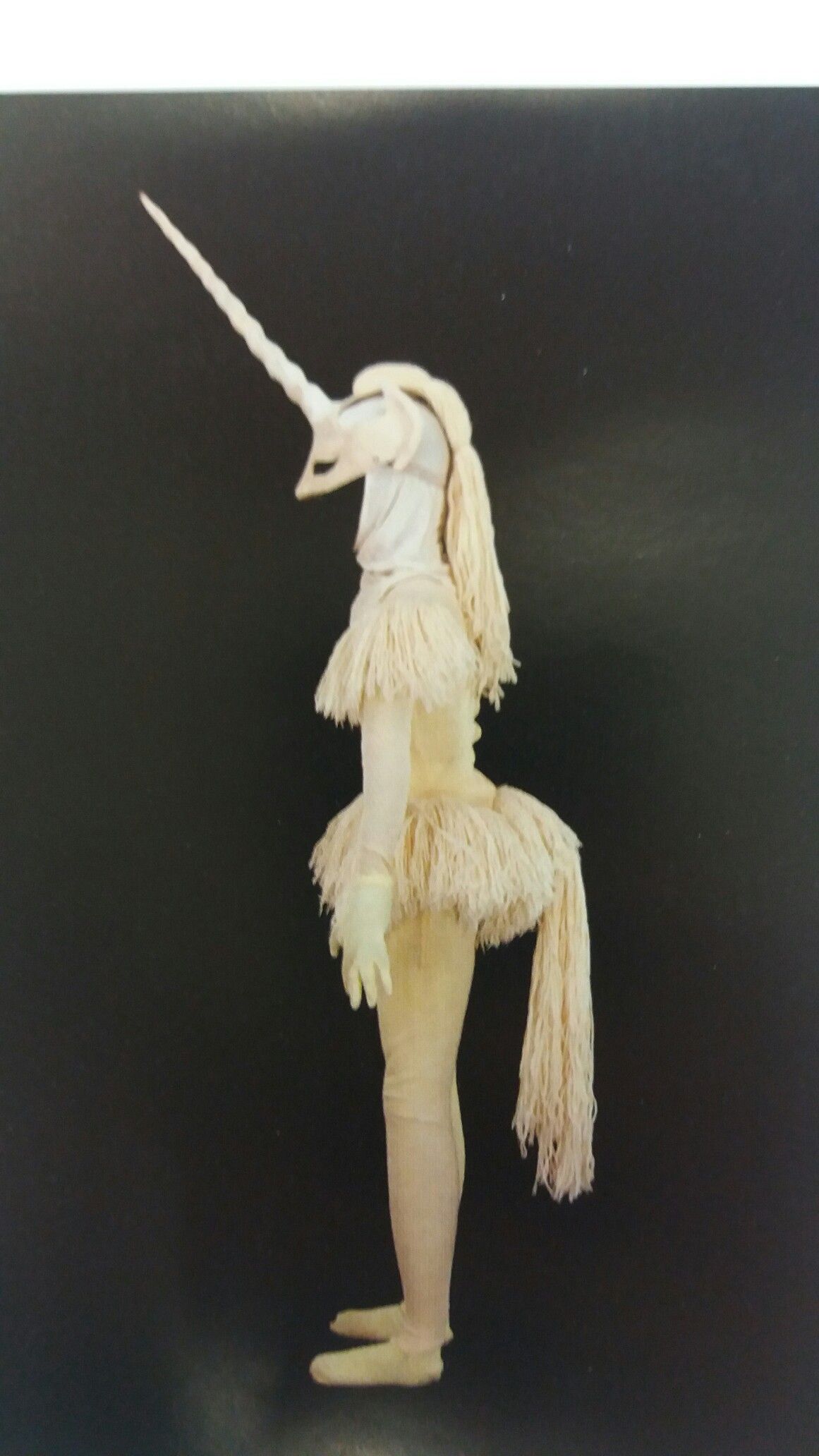
The exhibition not only features medieval pieces of art celebrating the Unicorn, but also modern renderings of the myth in the form of paintings, posters, videos and the original costumes created by Cocteau. It ends with a series of five new tapestries by Claude Rutault.
VISIT:
Magiques Licornes
Musée de Cluny
6 place Paul Painlevé 75005 Paris
24.07.2018 – 25.02.2019
Tenture de la Dame à la Licorne
A special website dedicated to the Lady of the Unicorn tapestries
Bestiaire a BnF
La Licorne
READ MORE:
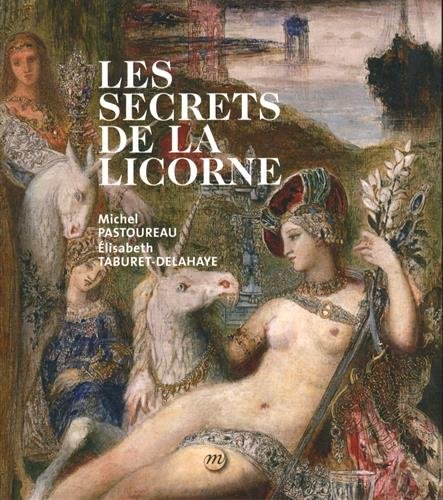
By Elisabeth Taburet-Delahaye and Michel Pastoureau
RMN-GP 2018
La dame à la licorne
By Elisabeth Taburet-Delahaye and Béatrice de Chancel Bardelots.
RMN-GP 2018
Collection: Musée Gustave Moreau, Paris
Image rights: © RMN-GP / René-Gabriel Ojéda
The post Magical Unicorns at Musée de Cluny appeared first on Medieval Histories.
Powered by WPeMatico