Another medieval king is about to be dug up! (We hope!)


Source: Daily Mail.

Archaeologists are to start digging for another of Britain’s ‘lost’ kings – this time under a school playing field. The team searching for medieval monarch King Stephen, who died in 1154, hope to follow in the footsteps of those who found Richard III. Thousands gathered to witness his burial at Leicester Cathedral yesterday after his discovery under a car park in the city.

Continue reading Another medieval king is about to be dug up! (We hope!)

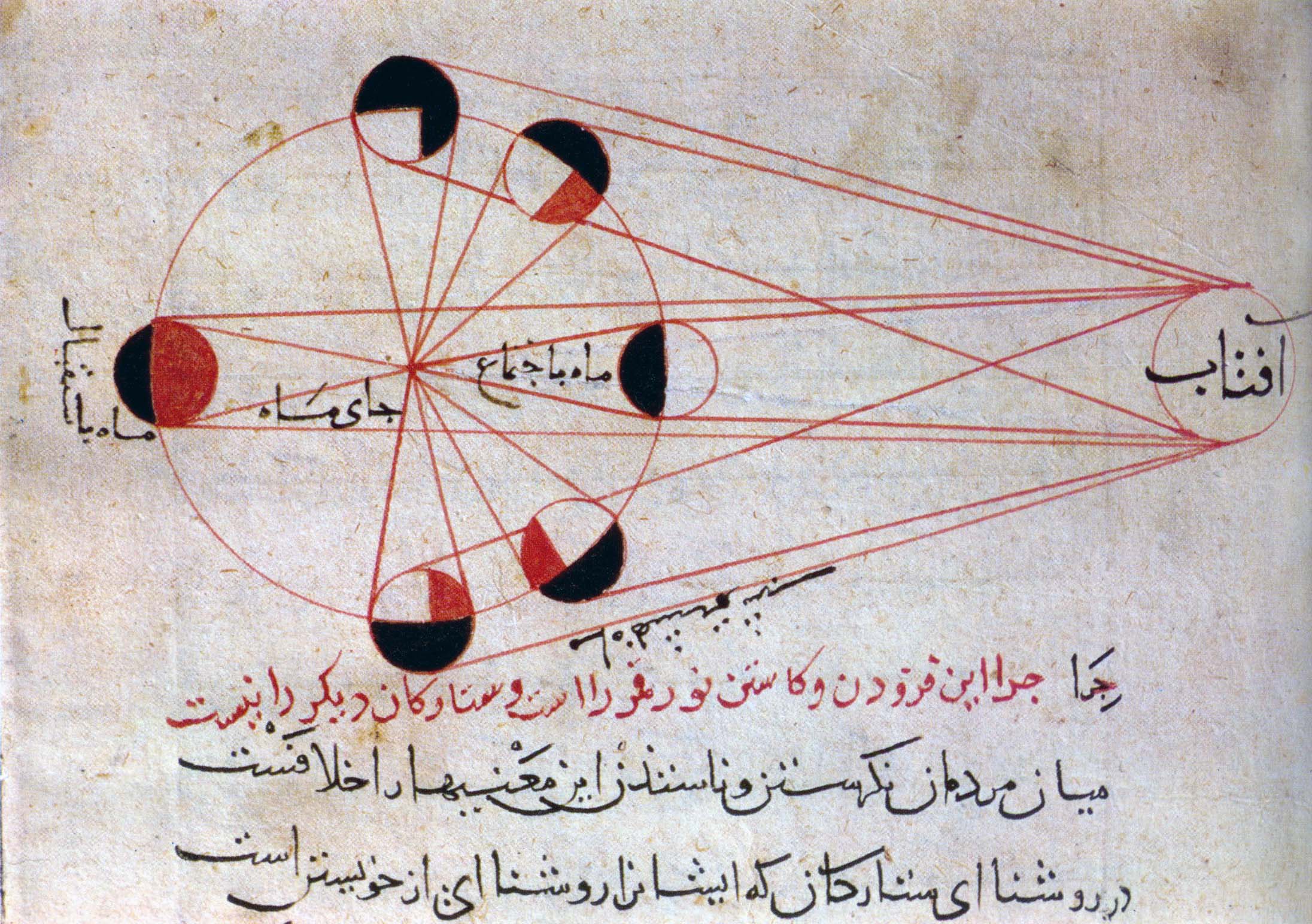
Solar eclipses in the middle ages

With the eclipse last week, I thought this would be an interesting read.

Source: Phys.org

Dr Anne Lawrence from the University of Reading’s Department of History examines what solar eclipses meant to our ancestors.

Looking forward to the ? I am and I suspect much of the UK is too. Scientists in particular are chomping at the bit to record this once in a generation event, especially here at Reading where we have organised the National Eclipse Weather Experiment which we can all take part in.

But looking back through the history books excitement wasn’t the only emotion being felt leading up to an eclipse. These events had a shadowy effect not just on the weather, but people’s lives as well… or so it was believed.

In the 12th century the chronicler John of Worcester wrote: ‘in 1133 a darkness appeared in the sky throughout England.  In some places it was only a little dark but in others candles were needed.  … The sun looked like a new moon, though its shape constantly changed.  Some said that this was an eclipse of the sun.  If so, then the sun was at the Head of the Dragon and the moon at its Tail, or vice versa.  … King Henry left England for Normandy, never to return alive.’

Continue reading Solar eclipses in the middle ages

Gerbils, Not Rats, May Have Caused Bubonic Plague, Study Finds

From ABC News.

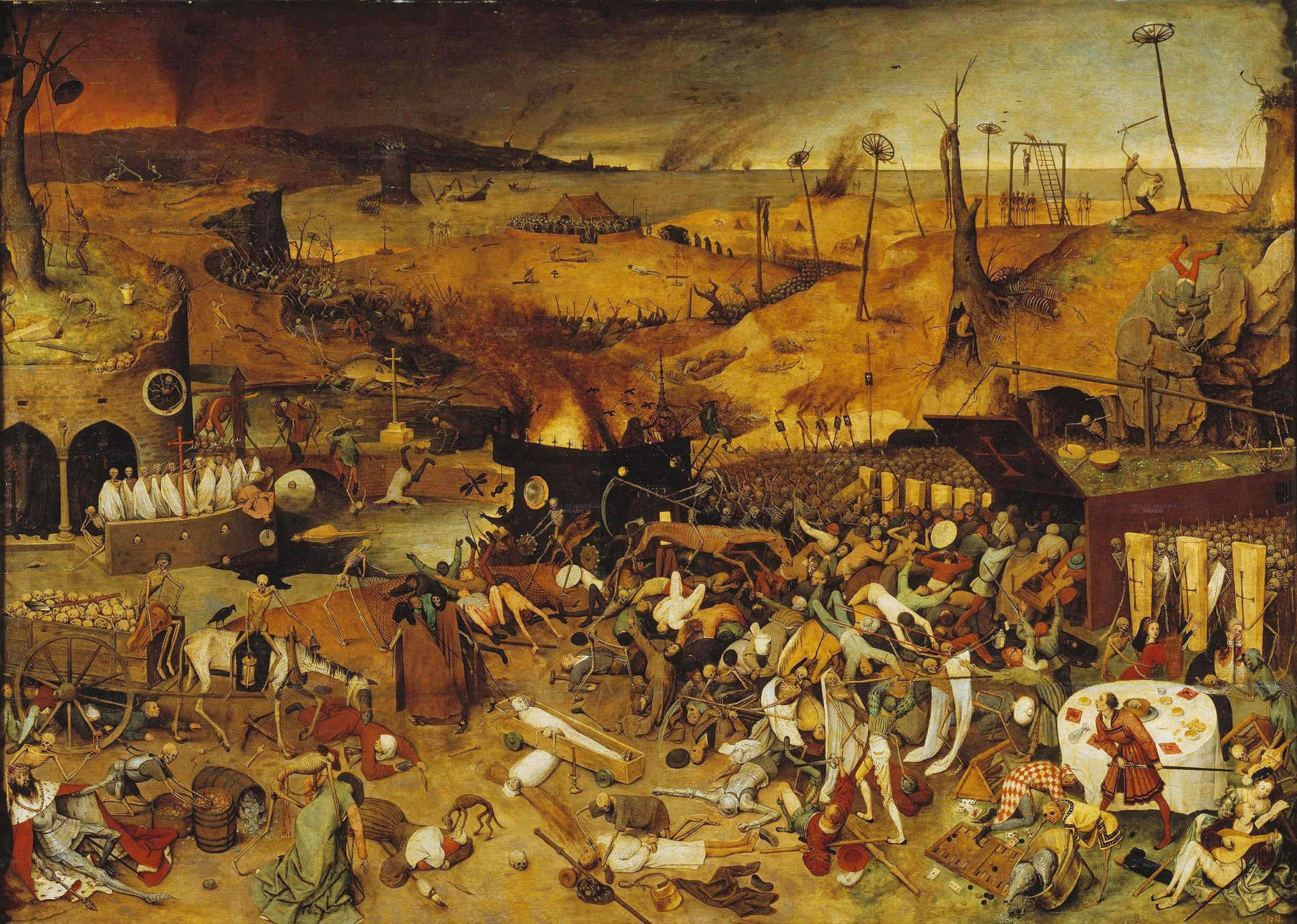
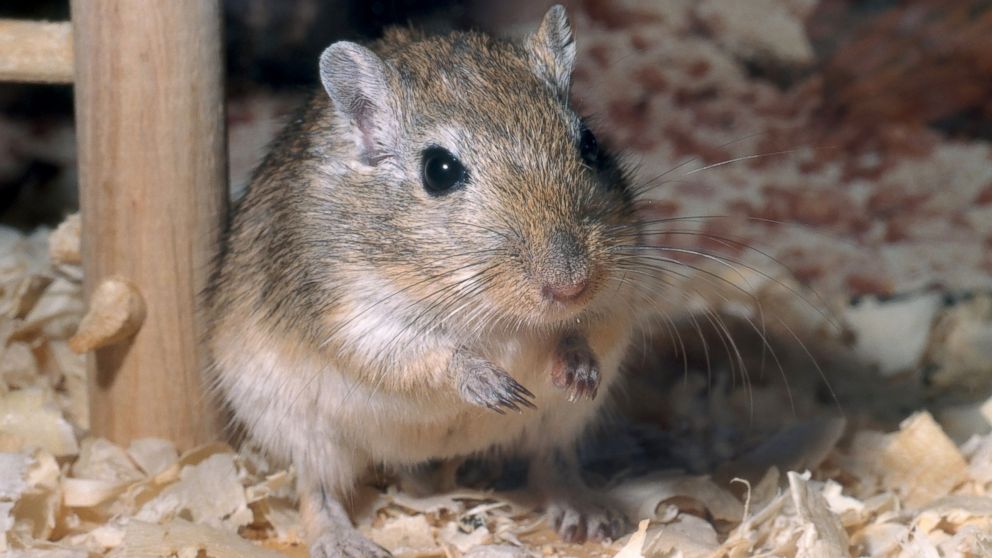
Historians have long blamed rats for spreading the plague in Europe nicknamed the “Black Death” in the 14th century, but new research points the finger at a different furry culprit: gerbils.

Known for decimating the European population in the middle ages, the Black Death was caused by the bacterium yersinia pestis, which somehow made its way from Asia to Europe in 1347, according to the study published today in the journal PNAS.

Continue reading Gerbils, Not Rats, May Have Caused Bubonic Plague, Study Finds

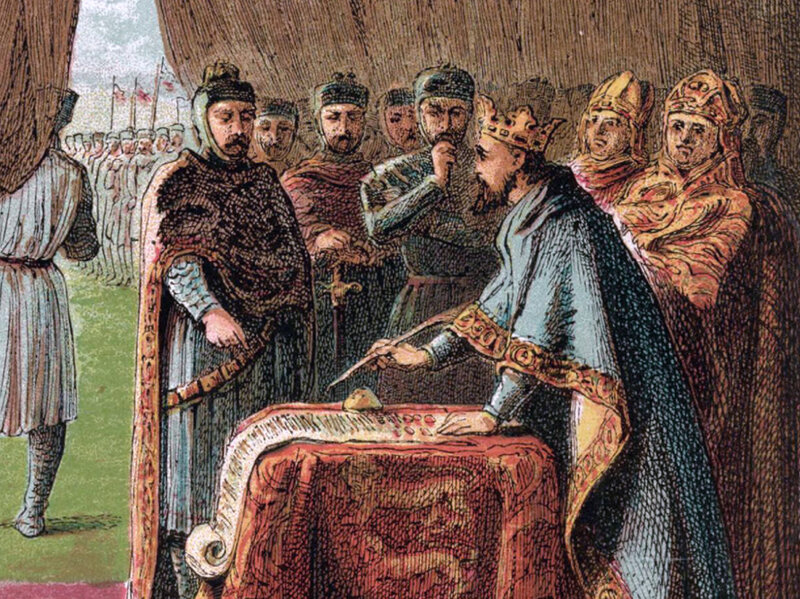
13th-Century Food Fights Helped Fuel The Magna Carta

The barons wanted King John to stop seizing their grain. The fish weirs had to go, too.

Originally from NPR.

Imagine it’s England, 1209, and you’re a wealthy baron. You arrive home from London one day to discover that King John’s minions have once again raided your stores of grain. It’s the king’s right, of course — he has a large household and armies to feed — and there’s a promise of compensation.

But all too often that payment arrives late, if at all. And there was that incident last year where the bailiff was caught selling the seized goods instead of handing them over to the king’s men.

Continue reading 13th-Century Food Fights Helped Fuel The Magna Carta